



SEXUAL PERFORMANCE ANXIETY: CAUSES, SYMPTOMS AND HOW TO DEAL WITH IT
Sexual Performance Anxiety: Causes, Symptoms, and How to Overcome It
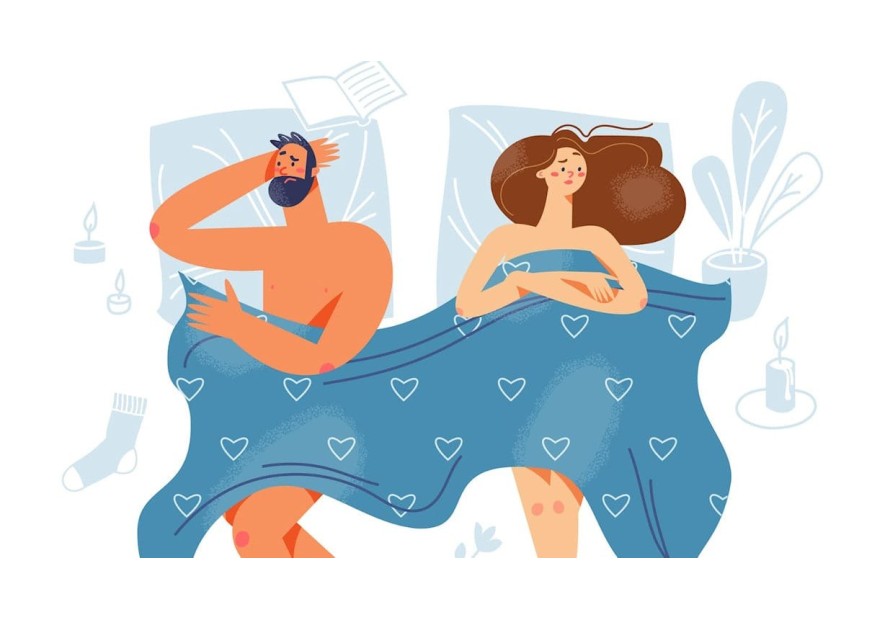
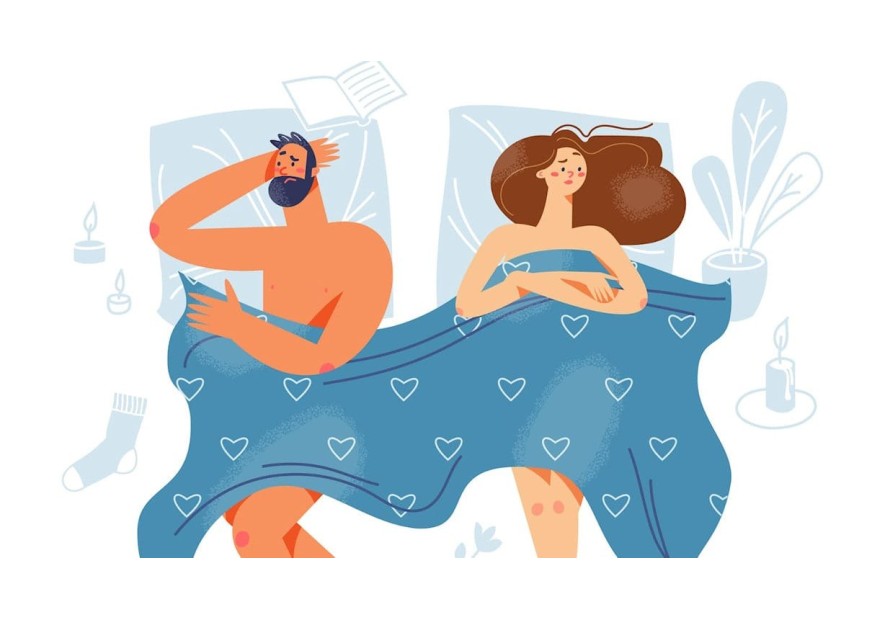
Sexual performance anxiety is a common issue that can affect people of all ages and sexual orientations. It can present itself in different ways and have a significant impact on quality of life and intimate relationships. Understanding its causes, recognizing the symptoms, and learning how to manage it are essential for improving sexual and emotional well-being.
Causes of Sexual Performance Anxiety
Sexual performance anxiety often results from a combination of psychological and emotional factors, including:
- Social and cultural pressures: unrealistic expectations around sexual performance can lead to stress and self-doubt.
- Past experiences: negative sexual experiences or previous difficulties can undermine confidence.
- Psychological factors: anxiety, stress, depression, and low self-esteem play a significant role.
Common Symptoms
Symptoms may vary from person to person but often include:
- Difficulty achieving or maintaining an erection (in men)
- Trouble reaching orgasm (in both men and women)
- Avoidance of sexual activity due to fear of judgment or disappointment
- Nervousness, irritability, or increased heart rate before or during sex
How to Cope with Sexual Performance Anxiety
Managing sexual performance anxiety requires a holistic approach focused on both mental and physical health:
- Open communication: sharing concerns with your partner can ease pressure and enhance intimacy.
- Stress management: relaxation techniques, meditation, and regular exercise help reduce anxiety.
- Lifestyle changes: proper sleep, balanced nutrition, and limiting alcohol and tobacco can improve overall well-being.
- Professional support: a sex therapist or mental health professional can help address underlying issues.
Conclusion
Sexual performance anxiety is common but highly manageable. With awareness, support, and effective strategies, it is possible to regain confidence and enjoy a healthier relationship with your sexuality. Addressing this issue means improving not only your sex life, but also your emotional balance and quality of life.
Performance anxiety isn't solved by a purchase: communication and professional support can matter. To explore the available options, visit our Couples’ Games category and review the product details.

Leave a comment